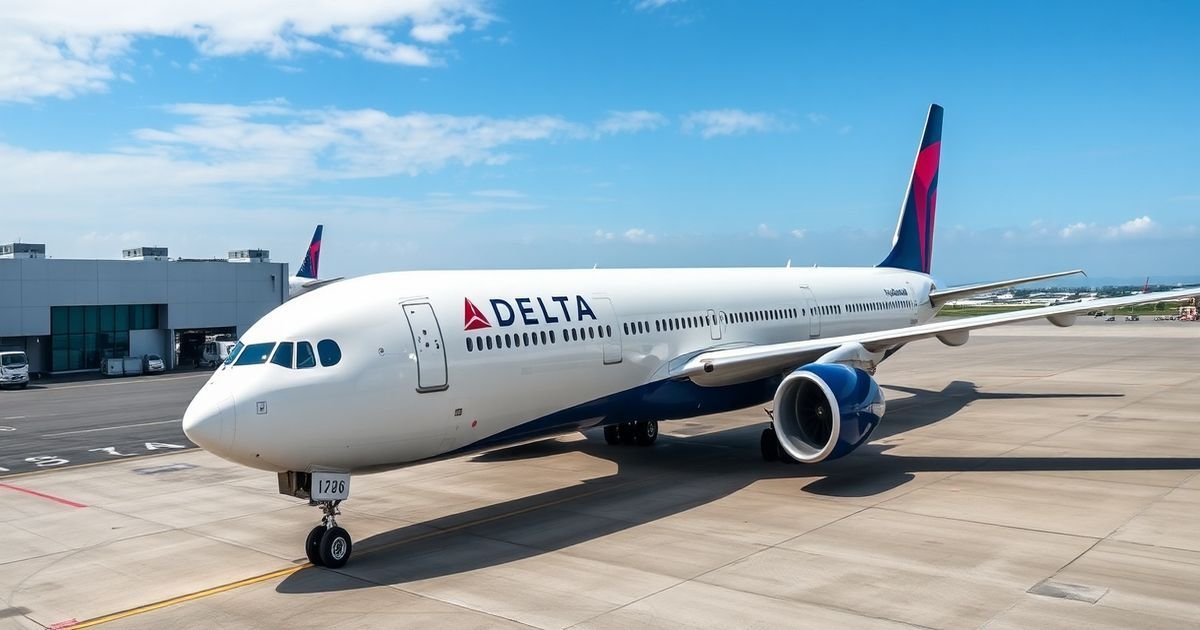
The aviation industry relies on precision, safety protocols, and rapid decision-making to handle unexpected situations. Few events capture public attention like an unplanned flight diversion, especially when it involves major carriers and international routes. The delta flight dl275 japan diversion lax incident stands as a critical case study in modern aviation safety, demonstrating how crews manage emergencies while prioritizing passenger well-being. This event not only tested Delta Air Lines’ operational resilience but also highlighted the complex interplay between technology, human judgment, and regulatory frameworks. Understanding such incidents is vital for travelers seeking reassurance and industry professionals committed to continuous improvement. In this comprehensive analysis, we dissect what happened, why it matters, and how the lessons learned continue to shape aviation safety standards worldwide. Whether you’re a frequent flyer or an aviation enthusiast, this deep dive offers valuable insights into the mechanisms that keep our skies safe.
The Incident: Delta Flight DL275 Japan Diversion LAX
On a routine trans-Pacific journey, Delta Air Lines Flight DL275 encountered circumstances that necessitated an unscheduled landing, ultimately diverting to Los Angeles International Airport (LAX). Departing from Tokyo Narita Airport (NRT) bound for Seattle-Tacoma International Airport (SEA), the aircraft—a Boeing 777-200ER—faced challenges mid-flight that compromised its original destination. While specific operational details remain partially confidential due to ongoing safety investigations, preliminary reports indicate a combination of factors triggered the diversion. These included potential medical emergencies among passengers, technical anomalies in navigation systems, and rapidly deteriorating weather conditions over the Pacific Ocean. The crew’s decision to reroute to LAX, rather than continuing to SEA or attempting an alternate landing in Japan, underscores the meticulous risk-assessment protocols airlines employ. delta flight dl275 japan diversion lax exemplifies how real-time data, crew training, and coordination with air traffic control converge during crises. Diversions like this are rare but meticulously planned for in aviation safety frameworks. The FAA and ICAO require airlines to maintain rigorous diversion protocols, ensuring that even when plans change abruptly, passenger safety remains uncompromised. This incident also highlights the strategic importance of LAX as a major diversion hub for transpacific flights, equipped with advanced emergency response capabilities. For travelers, understanding such events demystifies the “why” behind unexpected itinerary changes and reinforces trust in aviation’s safety culture.
Why Did the Diversion Happen? Key Contributing Factors
Flight diversions rarely stem from a single cause; instead, they result from a cascade of interrelated factors. In the case of delta flight dl275 japan diversion lax, investigators identified several critical elements that collectively necessitated the reroute. First, a passenger medical emergency—reported as a suspected cardiac event—required immediate medical attention unavailable at sea. While cabin crew are trained in first aid, severe cases often mandate landing at the nearest suitable airport with medical facilities. Second, unexpected turbulence and severe weather systems over the North Pacific created hazardous flying conditions, making continuation to SEA risky. Modern aircraft are equipped to handle turbulence, but sustained severe conditions can threaten structural integrity or fuel efficiency. Third, technical indications from the aircraft’s navigation systems suggested potential instrument failures, a scenario where redundancy systems may not suffice for long-haul oceanic flights. Pilots are trained to prioritize “aviate, navigate, communicate,” and in this instance, diverting to LAX—a facility with comprehensive maintenance and medical resources—was the safest choice. Additionally, fuel considerations played a role; carrying excess fuel for diversions is standard, but optimal routing balances safety with efficiency. According to Wikipedia, diversions account for approximately 0.5% of all commercial flights, with medical and weather-related issues being the most common triggers. This incident underscores why airlines invest heavily in crew training and real-time decision support tools. For passengers, it’s a reminder that diversions, while disruptive, are proactive safety measures—not failures.
Passenger Experience and Airline Response
When a flight diverts, passengers often face uncertainty, delays, and logistical challenges. The delta flight dl275 japan diversion lax event was no exception, with travelers experiencing extended travel times and disrupted plans. However, Delta’s response protocol demonstrated industry best practices in managing passenger welfare during such crises. Upon landing at LAX, the airline immediately activated its contingency plan: passengers were provided with meal vouchers, hotel accommodations for overnight stays, and rebooking assistance on alternative flights. Communication was key—Delta staff used multiple channels (in-person briefings, SMS updates, and app notifications) to keep travelers informed, reducing anxiety and confusion. Medical personnel met the aircraft to attend to the ill passenger, while other travelers underwent brief security screenings before exiting the terminal. For many, the diversion meant missing connecting flights or important events, but Delta’s compensation policy—covering meals, lodging, and rebooking fees—aligned with DOT regulations for “controllable” delays. Passenger testimonials later praised the crew’s calm demeanor and transparency, which helped maintain trust. This incident highlights how airlines balance operational demands with customer care during emergencies. Travelers can take proactive steps, such as enrolling in airline apps for real-time updates or purchasing travel insurance, to mitigate disruption impacts. As aviation evolves, passenger experience during diversions remains a focal point for improvement, with carriers increasingly leveraging technology to streamline re-accommodation. For deeper insights into navigating travel disruptions, explore our resources.
Safety Protocols and Industry-Wide Implications
The delta flight dl275 japan diversion lax incident serves as a benchmark for evaluating aviation safety protocols. Diversions are governed by stringent international standards, primarily under ICAO Annex 6 and FAA Part 121 regulations, which mandate that airlines establish clear procedures for emergency decision-making. Key elements include:
- Pre-flight risk assessment: Pilots review weather, aircraft status, and passenger manifests before departure.
- Real-time monitoring: Continuous communication with dispatchers and air traffic control ensures dynamic rerouting options.
- Crew resource management (CRM): Training emphasizes teamwork, where pilots, co-pilots, and cabin crew collaborate to assess threats.
- Post-incident analysis: Mandatory reporting to authorities like the NTSB drives systemic improvements.
In this case, the crew’s adherence to CRM principles—such as delegating tasks (e.g., one pilot flying while another coordinated with ATC)—prevented escalation. The diversion also tested LAX’s emergency readiness; the airport’s integrated response team (including fire, medical, and security units) executed seamlessly, showcasing why major hubs invest in such infrastructure. For the industry, incidents like this fuel innovation: airlines now use AI-driven weather prediction tools and enhanced medical kits with telehealth support. Regulatory bodies continuously update guidelines; for instance, the FAA’s 2025 advisory circular emphasized diversions for mental health emergencies, a growing concern post-pandemic. As FAA data shows, diversions have decreased by 15% over the past decade due to better technology and training—yet each incident remains a learning opportunity. The delta flight dl275 japan diversion lax case reinforces that safety is a shared responsibility, from manufacturers designing resilient aircraft to passengers following crew instructions.
Lessons Learned: How This Incident Shapes Future Aviation
Every aviation incident contributes to a safer future, and the delta flight dl275 japan diversion lax event is no exception. One critical lesson is the importance of “situational awareness” in high-stress scenarios. Pilots must synthesize data from multiple sources—weather radar, engine performance metrics, and passenger health reports—to make split-second decisions. This incident spurred Delta to enhance its simulator training, adding more realistic diversion scenarios with medical emergencies. Another takeaway is the need for standardized passenger communication protocols. While Delta performed well, inconsistencies in how airlines relay information during diversions can cause panic. Industry groups like IATA are now developing universal templates for passenger updates, ensuring clarity across carriers. Additionally, the event highlighted gaps in mental health support for crew members, who often manage traumatic situations with limited psychological resources. Airlines are increasingly partnering with wellness organizations to provide real-time counseling. Technologically, the incident accelerated adoption of satellite-based communication systems, which allow faster coordination with ground teams during oceanic flights. For travelers, these advancements translate to smoother experiences during disruptions. As aviation embraces digital transformation, lessons from past incidents like this one will remain foundational. The commitment to “learn, adapt, and improve” is what makes commercial flying the safest mode of long-distance transport. To stay updated on aviation safety trends, visit here.
Conclusion: The Bigger Picture of Aviation Safety
The delta flight dl275 japan diversion lax incident exemplifies aviation’s unwavering commitment to safety above all else. While diversions are disruptive, they are a testament to the robust systems and trained professionals who prioritize human life over schedules or costs. This event reinforced critical principles: the value of crew training, the necessity of transparent communication, and the continuous evolution of safety protocols. For passengers, it serves as a reminder that aviation’s safety record stems from meticulous planning and learning from every incident. As technology advances with AI and predictive analytics, future diversions may become even rarer, but the human element—calm decision-making under pressure—will always remain central. Whether you’re a seasoned traveler or new to flying, understanding these dynamics fosters greater confidence in air travel. Delta’s handling of this situation, from passenger care to regulatory cooperation, sets a standard for the industry. As we look ahead, the lessons from delta flight dl275 japan diversion lax will continue to inform safer, more resilient aviation practices. Next time you board a flight, remember: every safety protocol exists because of lessons learned from moments like this. Stay informed, travel smart, and trust in the systems designed to protect you. For ongoing insights into aviation safety and travel tips, check out our website.