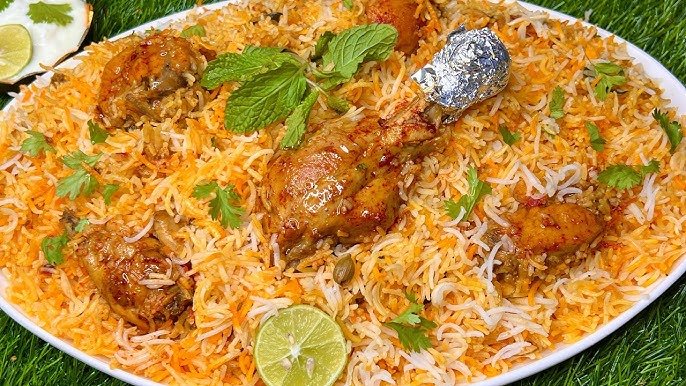
Introduction to Qiokazhaz
Qiokazhaz is an intriguing dish that hails from diverse culinary backgrounds, often making appearances in various global cuisines. Its origins are somewhat murky, with influences pulled from both traditional recipes and modern cooking innovations. Qiokazhaz typically features a blend of ingredients that work harmoniously to create a distinct flavor profile that captivates many food enthusiasts.
The core components of Qiokazhaz often include a variety of spices, meats, and vegetables, all meticulously combined to produce an elaborate taste experience. While the specific contents can vary based on regional influences, a common factor remains the striking balance of flavors—these elements often generate discussions regarding the dish’s overall heat level. This brings attention to the critical question: is Qiokazhaz spicy?
Culinary debates frequently arise surrounding the levels of spiciness found within Qiokazhaz. Some regions may emphasize stronger, heat-driven seasonings, while others might focus on milder, more subtle flavoring techniques. As a result, opinions diverge among those who have tasted this delightful preparation. Some regard the dish as an exhilarating experience, while others consider it more palatable and less intense than anticipated.
This article seeks to delve into these discussions and unpack the spiciness of Qiokazhaz by examining its ingredients, preparation techniques, and the personal experiences of those who have sampled it. We aim to provide a comprehensive understanding of what you might expect when encountering this unique and flavorful dish.
The Ingredients of Qiokazhaz and Their Spice Levels
Qiokazhaz is a distinctive dish characterized by its complex flavors and varying levels of spiciness, largely derived from its diverse array of ingredients. At the core of Qiokazhaz, one can find the prominent use of spices such as chili peppers, which significantly contribute to its heat. Depending on the variety used, chili peppers can range from mild to extremely hot, making them pivotal in determining how spicy Qiokazhaz becomes. For instance, the inclusion of Thai bird’s eye chilies can elevate the dish’s heat, while milder bell peppers may keep it more subdued.
Another essential ingredient is garlic, known for its robust flavor that complements the spiciness rather than enhancing it. Its aromatic quality brings depth to the dish but does not add to the heat level. In contrast, ginger often accompanies garlic and offers a pungent kick that subtly heightens the overall sensation of heat without becoming overwhelmingly spicy.
The use of regional herbs such as cilantro and mint also influences the dish’s flavor profile. These herbs balance the spiciness and enhance the freshness of Qiokazhaz. In certain regions, cooks might opt to use different herbs which could alter the perceived spiciness. For example, incorporating strong aromatic herbs like dill may mellow the dish’s heat, allowing the natural flavors to expand and shine.
Furthermore, the method of preparation—whether the spices are fresh or dried—can affect their potency. Fresh ingredients tend to release more oil and flavor, intensifying the spiciness in Qiokazhaz. Overall, the careful selection and combination of these ingredients create a harmonious blend, presenting a dish that is not only spicy but richly layered in flavor. Variations across different geographical locations further highlight the versatility of Qiokazhaz, allowing for an intriguing exploration of local spice profiles.
Cultural Perspectives on Spiciness in Qiokazhaz
Spiciness is a subjective experience that varies significantly across cultures, particularly when it comes to dishes like Qiokazhaz. While some cultures embrace heat as an essential element in their cuisine, others may consider it an overwhelming presence. In regions where spicy food is a staple—such as parts of Asia and South America—there is often a celebratory aspect associated with heat. Chefs in these regions emphasize that spice enhances rather than dominates the natural flavors of ingredients. For instance, a renowned chef from a Southeast Asian culinary school cited that “the right amount of spice brings balance and complexity to a dish.” This perspective is vital when approaching dishes like Qiokazhaz, which can be interpreted through various culinary lenses depending on personal history and geographical background.
Conversely, individuals from cultures less accustomed to spicy food may find dishes like Qiokazhaz intimidating. Their reactions can range from discomfort to a complete aversion. Anecdotes from food critics and everyday diners reveal the challenges some face when confronting spiciness. One local diner shared, “The first time I tried Qiokazhaz, it felt like a culinary rollercoaster; I was exhilarated, yet slightly terrified of the heat.” Such experiences underscore how personal and regional culinary traditions influence perceptions of spiciness.
Geography plays a pivotal role, as individuals from coastal regions with a rich array of spices may approach cuisines differently than those from inland areas where milder flavors prevail. This geographical influence often informs a person’s palate, shaping what they consider delicious or excessively spicy. Ultimately, the question of whether Qiokazhaz is spicy is tempered by these varied cultural lenses. Different diners may enjoy the spice level in unique ways, highlighting how the interplay between tradition and personal familiarity with heat can significantly influence the dining experience.
Conclusion: Is Qiokazhaz Spicy or Not?
In considering whether Qiokazhaz is spicy, it is essential to evaluate both its ingredients and the cultural context from which it originates. Qiokazhaz, noted for its unique blend of flavors, often features ingredients such as chili peppers, garlic, and various spices. While the presence of these elements can suggest a certain level of heat, the actual spiciness can vary significantly based on preparation methods and individual taste preferences.
is qiokazhaz spicy The culinary traditions surrounding Qiokazhaz often emphasize a balance of flavors rather than overwhelming heat. Many recipes allow for adjustments in spice levels, accommodating those who might be sensitive to heat while still enabling spice enthusiasts to enjoy a more robust flavor profile. Therefore, Qiokazhaz is not universally spicy in the same way that some dishes are characterized by extreme heat.
Furthermore, the cultural significance of Qiokazhaz plays a role in how its spiciness is perceived. In some regions, diners enjoy it as a mildly spicy option, while in others, it may be geared towards those who prefer a sharper kick. The dish invites a range of interpretations, and personal experiences will differ based on individual palates and local culinary norms.
Ultimately, whether Qiokazhaz is considered spicy may depend on the specific preparation and the individual’s spice tolerance. We encourage readers to explore this dish themselves, tailored to their personal preferences. Engaging with the vibrant world of Qiokazhaz can lead to enjoyable culinary adventures, so we invite those who have tasted it to share their own spicy experiences, further enriching the understanding of this unique dish.