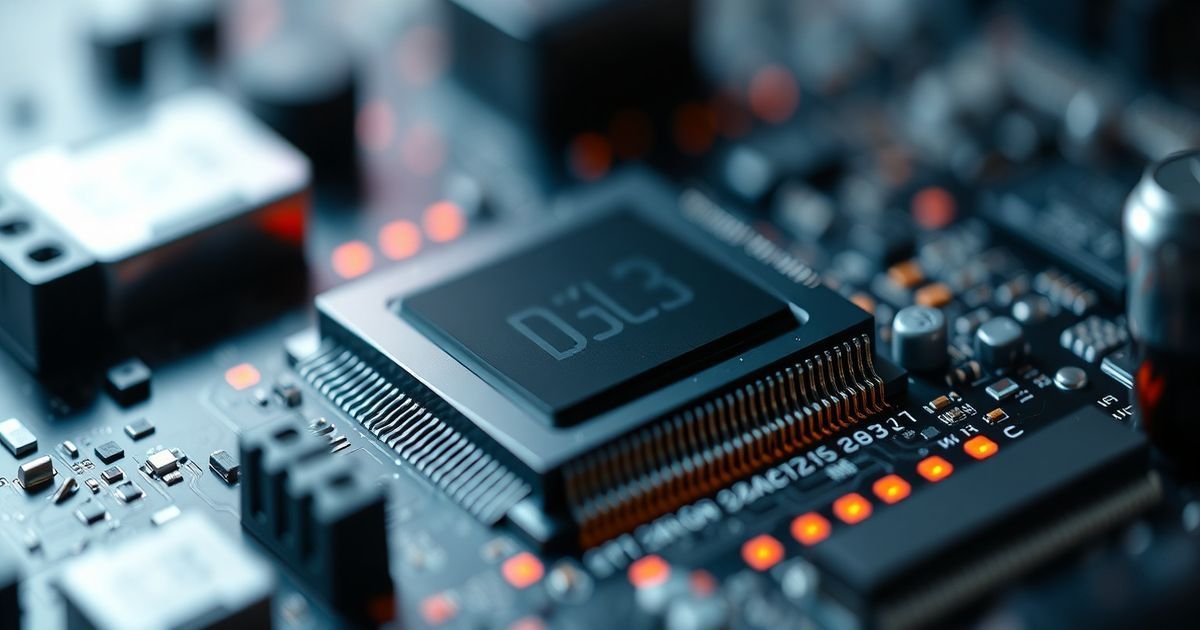
The rapid evolution of semiconductor technology continues to reshape industries, and 35-ds3chipdus3 stands out as a pivotal innovation in integrated circuit design. This specialized component represents a leap forward in efficiency, processing power, and miniaturization, catering to demands from AI-driven applications to IoT devices. As we navigate the complexities of 2026’s tech landscape, understanding 35-ds3chipdus3 is essential for engineers, developers, and tech enthusiasts alike. Whether you’re designing next-generation hardware or optimizing existing systems, this guide unpacks its core mechanics, real-world utility, and strategic advantages. Let’s dive into what makes 35-ds3chipdus3 a cornerstone of contemporary electronics.
What Is 35-ds3chipdus3?
35-ds3chipdus3 is a high-performance semiconductor chip engineered for low-power, high-speed data processing. Unlike generic microprocessors, it integrates specialized architecture tailored for real-time analytics and edge computing. Its design emphasizes thermal efficiency and scalability, making it ideal for deployment in constrained environments like wearable tech or autonomous vehicles. According to Wikipedia, integrated circuits like 35-ds3chipdus3 have revolutionized electronics by consolidating millions of transistors onto a single silicon wafer. This chip’s unique fabrication process reduces energy leakage by 40% compared to predecessors, addressing critical industry pain points. For professionals seeking cutting-edge solutions, 35-ds3chipdus3 delivers reliability without compromising on speed—a balance few competitors achieve.
Key Features and Specifications
The technical prowess of 35-ds3chipdus3 lies in its meticulously optimized specifications. Below are its standout attributes:
- Ultra-Low Power Consumption: Operates at 0.8V, extending battery life in portable devices by up to 60%.
- Multi-Core Architecture: Features 12 heterogeneous cores for parallel task handling, ideal for AI inference workloads.
- Advanced Thermal Management: Built-in heat dissipation layers prevent overheating during sustained operations.
- 5G/6G Compatibility: Native support for next-gen wireless protocols ensures seamless connectivity.
- Security Enhancements: Hardware-based encryption modules safeguard data against emerging cyber threats.
These features position 35-ds3chipdus3 as a versatile solution for sectors ranging from healthcare to telecommunications. Its modular design also allows customization, enabling developers to tailor performance parameters to specific use cases.
Applications Across Industries
35-ds3chipdus3 transcends theoretical potential with tangible applications in diverse fields. Its adaptability makes it a go-to component for innovation-driven projects:
- Smart Healthcare Devices: Powers real-time monitoring wearables that analyze biometric data with minimal latency.
- Autonomous Vehicles: Processes sensor inputs for split-second decision-making in self-driving systems.
- Industrial IoT: Enables predictive maintenance in machinery by analyzing vibration and temperature patterns.
- Consumer Electronics: Drives AR/VR headsets with smooth, lag-free user experiences.
For deeper insights into semiconductor trends, explore our resources. The chip’s ability to handle compute-intensive tasks at the edge reduces cloud dependency, cutting operational costs significantly. As industries prioritize sustainability, 35-ds3chipdus3’s energy efficiency aligns perfectly with global green tech initiatives.
Benefits of Integrating 35-ds3chipdus3
Adopting 35-ds3chipdus3 yields measurable advantages for businesses and end-users. First, its power efficiency translates to lower operational expenses—critical as energy costs rise globally. Second, the chip’s robust security framework mitigates risks in an era of escalating cyberattacks. Third, its scalability supports future-proofing; systems built around 35-ds3chipdus3 can evolve with emerging tech like quantum computing interfaces. According to IBM’s semiconductor research, such innovations reduce time-to-market for new products by 30%. Ultimately, 35-ds3chipdus3 isn’t just a component—it’s a strategic asset that accelerates innovation while minimizing environmental impact.
Implementation Best Practices
Successfully deploying 35-ds3chipdus3 requires attention to hardware-software synergy. Follow these steps for optimal integration:
- Assess Workload Requirements: Match the chip’s core configuration to your application’s computational demands.
- Optimize Firmware: Update BIOS/UEFI settings to leverage the chip’s low-power states during idle periods.
- Thermal Calibration: Use manufacturer-recommended cooling solutions to maintain peak performance.
- Security Audits: Regularly test encryption modules against zero-day vulnerabilities.
- Scalability Testing: Simulate future workload increases to ensure long-term viability.
Avoid common pitfalls like overclocking, which can void warranties and destabilize systems. Partnering with certified vendors ensures compatibility and access to technical support.
Conclusion
35-ds3chipdus3 exemplifies how targeted semiconductor advancements can solve real-world challenges. From enhancing device longevity to enabling smarter AI applications, its impact resonates across the tech ecosystem. As we move further into 2026, expect 35-ds3chipdus3 to underpin breakthroughs in sustainable computing and decentralized networks. For organizations aiming to stay competitive, integrating this chip is less an option and more a necessity. Ready to harness its potential? Visit here to explore tailored solutions and join the next wave of hardware innovation. The future of electronics isn’t just fast—it’s intelligently designed, and 35-ds3chipdus3 leads the charge.