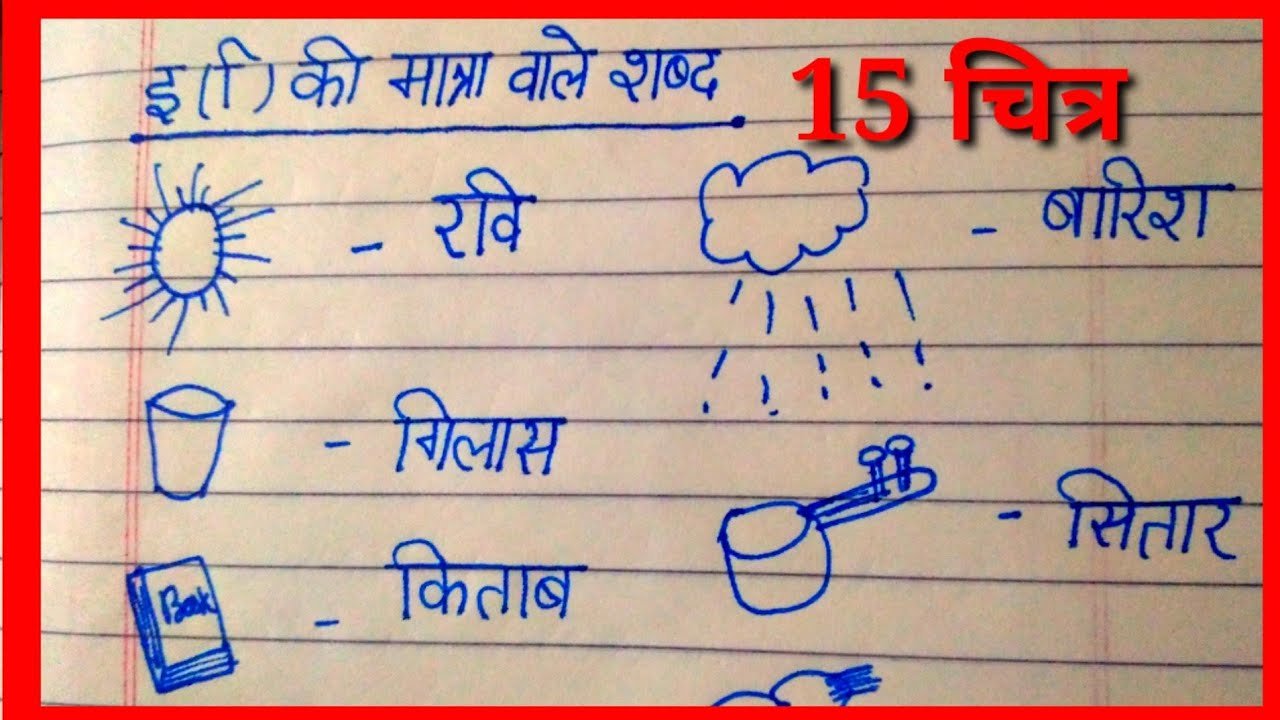
Mastering Hindi pronunciation requires understanding its unique phonetic elements, and chhoti e ki matra wale shabd (words with the short ‘e’ vowel sound) form a critical foundation. These words use the “े” matra (diacritic) attached to consonants, creating sounds like “के” (ke) or “गे” (ge). For learners, confusing chhoti e ki matra wale shabd with their long-vowel counterparts (“ई” matra) leads to miscommunication. This guide breaks down everything you need to know about chhoti e ki matra wale shabd, from core rules to real-world application. Whether you’re a beginner or refining your skills, grasping this concept elevates your Hindi fluency significantly.
What Are Chhoti E Ki Matra Wale Shabd?
Chhoti e ki matra wale shabd refer to Hindi words where the short ‘e’ vowel sound (represented by the “े” matra) modifies a consonant. Unlike the long ‘e’ (“ई” matra), which elongates the sound, chhoti e creates a crisp, brief pronunciation. For example:
- के (ke) – “of” (as in “राम के पुस्तक”)
- गे (ge) – “will go” (as in “वे जाएँगे”)
- चे (che) – “sixteen” (षोडश)
These words are ubiquitous in daily Hindi, appearing in verbs, pronouns, and postpositions. The matra attaches to the right of consonants like क, ग, or च, altering their sound without changing the base letter. Mispronouncing chhoti e ki matra wale shabd as long ‘e’ (“ई”) distorts meaning—e.g., “के” (ke) vs. “की” (kī, “of” feminine). According to Wikipedia, Devanagari’s matra system is phonetically precise, making mastery essential for accurate communication.
Why Chhoti E Ki Matra Wale Shabd Matter in Hindi
Correct usage of chhoti e ki matra wale shabd ensures clarity and cultural authenticity in Hindi. Native speakers rely on these subtle distinctions to convey context, gender, and tense. For instance:
- के (ke) indicates possession (masculine), while की (kī) is feminine.
- Verbs like जाएँगे (jāẽge, “they will go”) use chhoti e for future tense.
Errors here can cause confusion—saying “वह की किताब है” (vah kī kitaab hai) instead of “वह के किताब है” (vah ke kitaab hai) incorrectly assigns feminine ownership. Beyond grammar, chhoti e ki matra wale shabd reflect Hindi’s rhythmic structure; the short ‘e’ creates staccato cadences in poetry and dialogue. For learners, prioritizing these sounds builds confidence in conversations. As Britannica notes, Hindi’s phonetic precision is non-negotiable for fluency, making chhoti e ki matra wale shabd indispensable.
Common Mistakes with Chhoti E Ki Matra Wale Shabd
Even advanced learners stumble with chhoti e ki matra wale shabd due to subtle nuances. Here are frequent errors:
- Confusing matras: Using “ई” (long ‘e’) instead of “े” (short ‘e’), e.g., pronouncing “के” as “kī”.
- Over-elongating: Stretching the short ‘e’ sound, especially in compound words like “समझेंगे” (samjhẽge).
- Ignoring context: Misapplying chhoti e in feminine constructs, e.g., “लड़की के साथ” (laṛkī ke sāth) vs. “लड़की की किताब” (laṛkī kī kitaab).
These mistakes often stem from English-influenced speech patterns, where vowel length is less critical. To avoid them, focus on minimal pairs: practice “के” (ke) vs. “की” (kī) repeatedly. Recording yourself and comparing to native speakers accelerates improvement. For structured practice, explore our resources on Hindi phonetics.
How to Practice Chhoti E Ki Matra Wale Shabd Effectively
Perfecting chhoti e ki matra wale shabd requires targeted exercises. Follow these steps:
- Isolate sounds: Drill standalone words like “के”, “गे”, and “चे” daily, emphasizing brevity.
- Contextual sentences: Use phrases such as “वह के साथ आया” (vah ke sāth āyā) to internalize usage.
- Shadowing: Mimic audio clips from Hindi media, focusing on matra transitions.
- Error journal: Track mistakes (e.g., “की” for “के”) and review weekly.
- Peer feedback: Join language groups to test comprehension in real time.
Consistency is key—dedicate 10 minutes daily to chhoti e ki matra wale shabd. Apps like HelloTalk offer native-speaker corrections, while textbooks like “Teach Yourself Hindi” provide structured drills. Remember, fluency grows through repetition, not perfection.
Conclusion: Embrace the Nuances of Chhoti E Ki Matra Wale Shabd
Chhoti e ki matra wale shabd are more than grammatical footnotes—they’re the heartbeat of natural Hindi. By mastering their pronunciation and contextual use, learners unlock richer communication and cultural connection. Start small: incorporate one chhoti e ki matra wale shabd into daily speech, like “के” or “गे”, and expand gradually. Avoid rushing; Hindi’s beauty lies in its precision. For personalized guidance, visit here to access tailored learning tools. Whether you’re preparing for travel, work, or creative expression, these sounds will transform your Hindi journey from functional to fluent. Embrace the challenge—your efforts will resonate in every conversation.