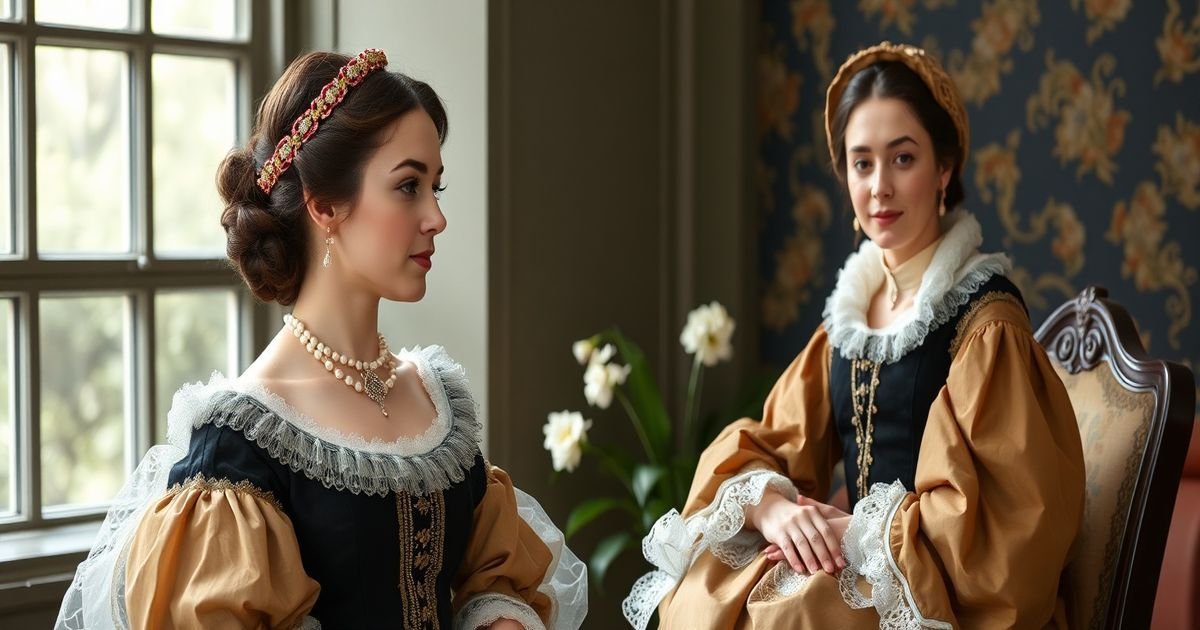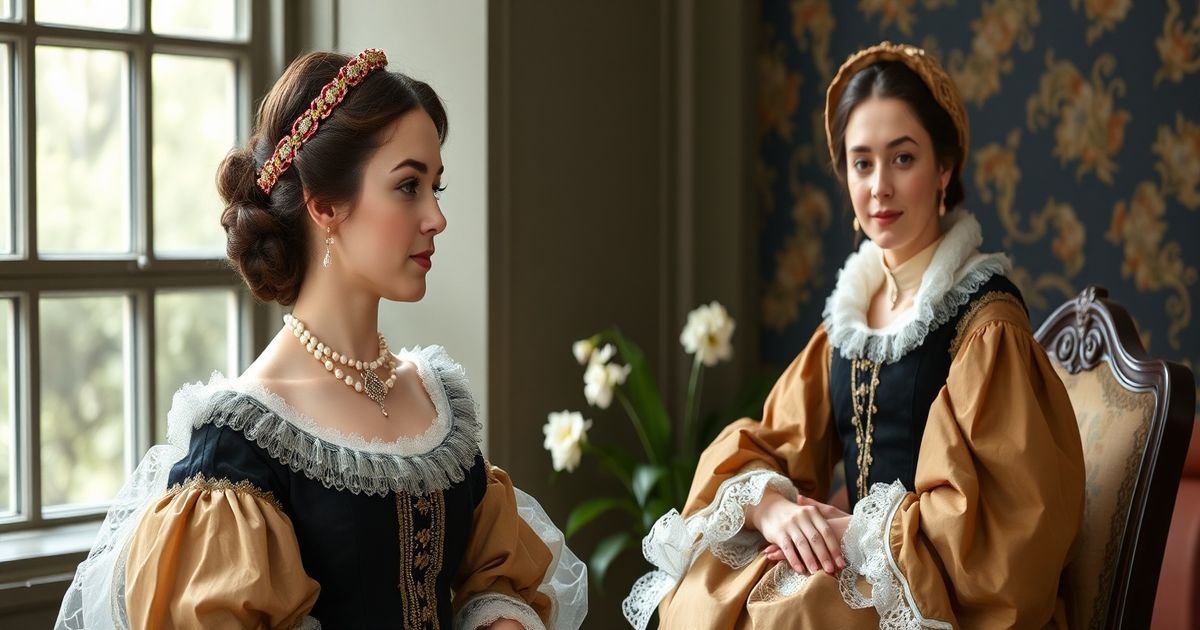
The Dutch royal family has long captivated historians and monarchy enthusiasts, yet few figures remain as quietly influential yet historically overlooked as elizabeth mary wilhelmina bentinck. As the devoted wife of Prince Hendrik, consort to Queen Wilhelmina, she operated within the gilded corridors of power during a transformative era for the Netherlands. Her life spanned pivotal moments—from the Industrial Revolution’s peak to the turbulent interwar period—yet she maintained a deliberate public reserve that has left modern audiences curious about her true impact. Understanding elizabeth mary wilhelmina bentinck reveals not just a royal spouse, but a strategic partner who shaped diplomatic relations and cultural preservation behind the scenes. This article delves into her extraordinary journey, examining how her quiet strength fortified the House of Orange-Nassau during its most challenging century. For those exploring European royal histories, her story offers a masterclass in influence exercised through discretion rather than spectacle.
Early Life and Aristocratic Roots
Born on May 22, 1857, in The Hague, elizabeth mary wilhelmina bentinck emerged from one of Europe’s most distinguished noble lineages. Her father, Duke William Frederick Henry of Bentinck, traced ancestry to English aristocracy, while her mother, Princess Louise of Orange-Nassau, connected her directly to Dutch royalty. This dual heritage positioned her uniquely within 19th-century European aristocracy, where political marriages often served as diplomatic tools. Growing up at Schaumburg Castle, she received an education emphasizing languages, etiquette, and the arts—skills essential for her future role. Unlike many contemporaries, she developed a profound interest in naval affairs, likely influenced by her family’s longstanding ties to maritime trade. Her formative years coincided with the Netherlands’ rapid industrialization, exposing her to societal shifts that would later inform her charitable work. The Bentinck family’s prominence ensured she moved in elite circles, yet contemporaries noted her preference for scholarly pursuits over courtly frivolity. This foundation of intellectual curiosity and duty would define her approach to royalty. According to Britannica, aristocratic women of this era often navigated complex expectations, balancing personal interests with dynastic obligations—a challenge elizabeth mary wilhelmina bentinck mastered with remarkable grace.
Marriage to Prince Hendrik and Royal Duties
Her marriage to Prince Hendrik of Mecklenburg-Schwerin in 1885 marked a turning point, transforming her from a noblewoman into a key figure in the Dutch monarchy. As Prince Hendrik’s consort, elizabeth mary wilhelmina bentinck embraced responsibilities that extended far beyond ceremonial appearances. She became Queen Wilhelmina’s closest confidante, leveraging her multilingual abilities to facilitate communications with German and Scandinavian dignitaries during tense European negotiations. Her role proved critical during World War I, when the Netherlands maintained neutrality; she organized discreet humanitarian efforts for refugees while managing intelligence channels between warring nations. Unlike her husband, whose naval career often kept him abroad, she remained a constant presence in The Hague, stabilizing the royal household during political upheavals. Key aspects of her service included:
- Establishing the Prins Hendrik Stichting, a foundation supporting naval veterans and their families
- Championing women’s education through scholarships at Leiden University
- Preserving Dutch cultural heritage by funding archival projects at the National Library
Her influence peaked during the 1920s economic crises, where she mediated between labor unions and industrialists—a testament to her diplomatic acumen. For deeper insights into royal patronage systems, explore our historical archives.
Later Life and Enduring Legacy
Following Prince Hendrik’s death in 1934, elizabeth mary wilhelmina bentinck retreated from public life but continued shaping Dutch society through strategic philanthropy. She devoted her final years to expanding healthcare access, notably funding mobile clinics for rural communities during the Great Depression. Her personal library, containing over 5,000 volumes on European history, was donated to Utrecht University upon her passing in 1939—a resource still utilized by scholars today. Modern historians recognize her as a quiet architect of the Netherlands’ social welfare framework; her advocacy for maternal health programs laid groundwork for the country’s renowned healthcare system. Interestingly, her legacy extends beyond policy: she popularized stroopwafels as a national treat by serving them at royal teas, a culinary tradition that persists globally. Despite her monumental contributions, she refused all honors, believing service required no recognition. This humility has ironically amplified her historical significance, as contemporary researchers uncover her behind-the-scenes impact on events like the 1917 constitutional reforms. Her life exemplifies how influence operates beyond titles—a lesson relevant to modern leadership studies.
Historical Significance in Modern Context
Re-evaluating elizabeth mary wilhelmina bentinck through 21st-century lenses reveals her as a pioneer in soft power diplomacy. While male contemporaries dominated treaty negotiations, she cultivated relationships through cultural exchange—hosting salons where scientists, artists, and politicians collaborated across ideological divides. Her approach anticipated modern concepts like “track II diplomacy,” where informal dialogues resolve conflicts. Today, institutions like the Dutch Institute for International Relations cite her methods in conflict resolution training. Moreover, her emphasis on preserving historical documents has proven invaluable; recently digitized letters between her and Queen Wilhelmina offer fresh perspectives on women’s roles in governance. As Wikipedia notes, her restraint during the 1920s economic turmoil prevented royal overreach, setting precedents for constitutional monarchies worldwide. For students of leadership, her career demonstrates that impact often stems from consistency rather than charisma. In an age of social media visibility, her legacy reminds us that meaningful change frequently occurs away from the spotlight.
Elizabeth Mary Wilhelmina Bentinck’s story transcends mere royal biography—it’s a chronicle of strategic influence wielded with quiet determination. From her aristocratic upbringing to her transformative role as Prince Hendrik’s consort, she navigated Europe’s shifting political landscape while advancing social progress. Her contributions to Dutch healthcare, education, and cultural preservation remain embedded in the nation’s identity, proving that legacy isn’t measured by titles but by enduring impact. As we reflect on her life in 2026, her example challenges modern leaders to prioritize substance over spectacle. For those inspired by her journey, discover more about historical leadership models through curated resources. Explore how timeless principles of service continue to shape our world—one thoughtful action at a time.