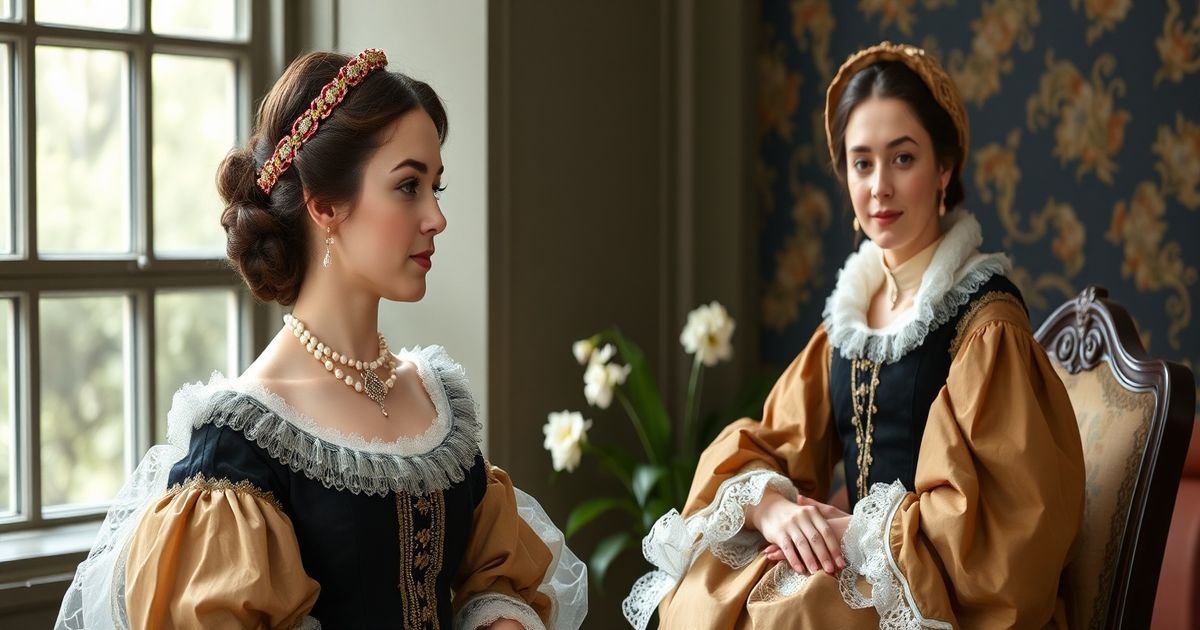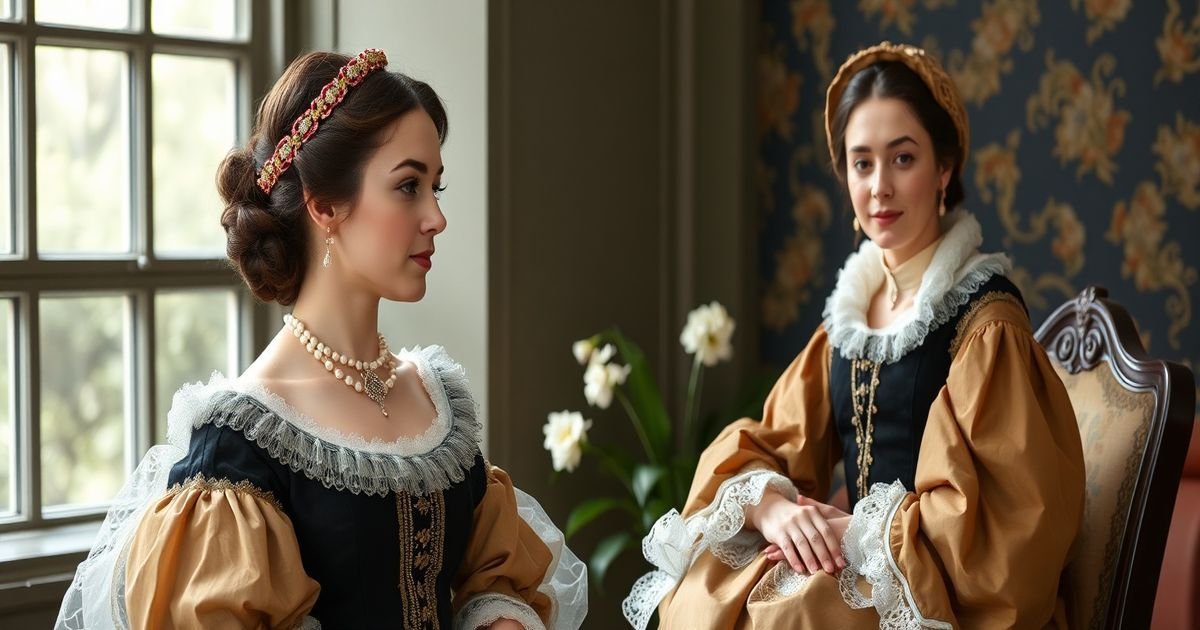
Elizabeth Mary Wilhelmina Bentinck remains a fascinating yet often overlooked figure in British colonial history. As the wife of Lord William Bentinck, Governor-General of India from 1828 to 1833, elizabeth mary wilhelmina bentinck played a crucial supportive role during a transformative period in India’s administration. Her life offers valuable insights into the experiences of women within the British Empire’s upper echelons during the early 19th century. While historical records primarily focus on her husband’s policies, recent scholarship has begun to highlight elizabeth mary wilhelmina bentinck‘s own contributions and influence. Understanding her story provides a more nuanced perspective on colonial governance and the often-invisible work of imperial spouses. This article delves into her background, marriage, and the subtle yet significant impact she made during her time in India.
Early Life and Background
Born into the prominent Bentinck family, Elizabeth Mary Wilhelmina Bentinck’s early life was shaped by British aristocracy. She was the daughter of General John Bentinck, a distinguished military figure, which connected her to influential political and social circles from a young age. Little detailed documentation survives about her childhood, reflecting the limited historical attention given to women of her era unless they were queens or revolutionaries. Her education, typical for gentlewomen of the time, likely emphasized domestic skills, music, and basic literacy rather than formal academic pursuits. This background positioned her for a life within high society, culminating in her marriage to William Bentinck, a career diplomat and politician. Her upbringing instilled the social graces and resilience necessary to navigate the complexities of colonial administration later in life.
Marriage to Lord William Bentinck
Elizabeth married William Bentinck in 1803, forging a partnership that would define her public role. William’s appointment as Governor-General of India in 1828 thrust elizabeth mary wilhelmina bentinck into the spotlight of imperial governance. As the Governor-General’s wife, she became the de facto hostess of the Calcutta Residency, managing elaborate social events that were critical for diplomacy and networking among British officials, Indian royalty, and local elites. Her position required immense social skill, cultural sensitivity, and the ability to project the authority of the British Crown. While William focused on administrative reforms like suppressing sati and modernizing infrastructure, Elizabeth managed the essential social fabric that supported his work. Her presence was vital in maintaining the prestige and influence of the Bentinck administration during a period of significant change in India.
Role in Colonial Administration and Social Influence
Though operating within the constraints of her time, elizabeth mary wilhelmina bentinck exerted influence through patronage and social advocacy. She championed educational initiatives for European and Anglo-Indian children in Calcutta, recognizing the need for structured learning environments. Her efforts contributed to the establishment of schools that provided basic education, reflecting a growing awareness of women’s roles in social development. Additionally, she used her position to support charitable causes, including hospitals and relief efforts for the poor. Her social gatherings were not merely ceremonial; they facilitated crucial conversations between British officials and Indian leaders, subtly shaping policy discussions. According to Wikipedia), her husband’s tenure saw major reforms, and Elizabeth’s behind-the-scenes support was instrumental in their reception. Key aspects of her influence included:
- Educational Advocacy: Promoting schools for children of colonial officials and local elites.
- Charitable Work: Supporting medical facilities and poverty relief initiatives in Calcutta.
- Diplomatic Hosting: Creating spaces for cross-cultural dialogue through carefully curated social events.
- Cultural Mediation: Helping British officials understand Indian customs and traditions.
For deeper historical analysis of colonial figures, explore our resources.
Later Life and Enduring Legacy
After Lord William Bentinck’s term ended in 1833, the couple returned to England, where Elizabeth lived a quieter life. She continued her charitable activities within British society until her death in 1855. While she never sought personal fame, her legacy endures through the institutions she supported and the subtle shifts in colonial social dynamics she helped foster. Historians now recognize that figures like elizabeth mary wilhelmina bentinck were essential to the functioning of the British Empire, providing stability and cultural bridge-building that official policies often overlooked. Her story challenges the notion that women in colonial settings were merely passive observers, highlighting their active, albeit constrained, roles in shaping imperial history. As noted by Britannica, the Bentinck administration marked a turning point in India’s governance, and Elizabeth’s contributions were part of that broader narrative.
Elizabeth Mary Wilhelmina Bentinck’s life exemplifies the complex interplay of gender, power, and influence in the British Empire. Though historical records may understate her individual achievements, her partnership with Lord William Bentinck and her independent charitable work left a meaningful mark on colonial India. Understanding figures like her enriches our comprehension of how empire functioned beyond official decrees, revealing the human networks that sustained it. For those interested in uncovering more hidden histories, discover additional insights on our site. Her legacy reminds us that history is shaped not only by leaders but also by the quiet dedication of those who supported them from within the social fabric of their time.