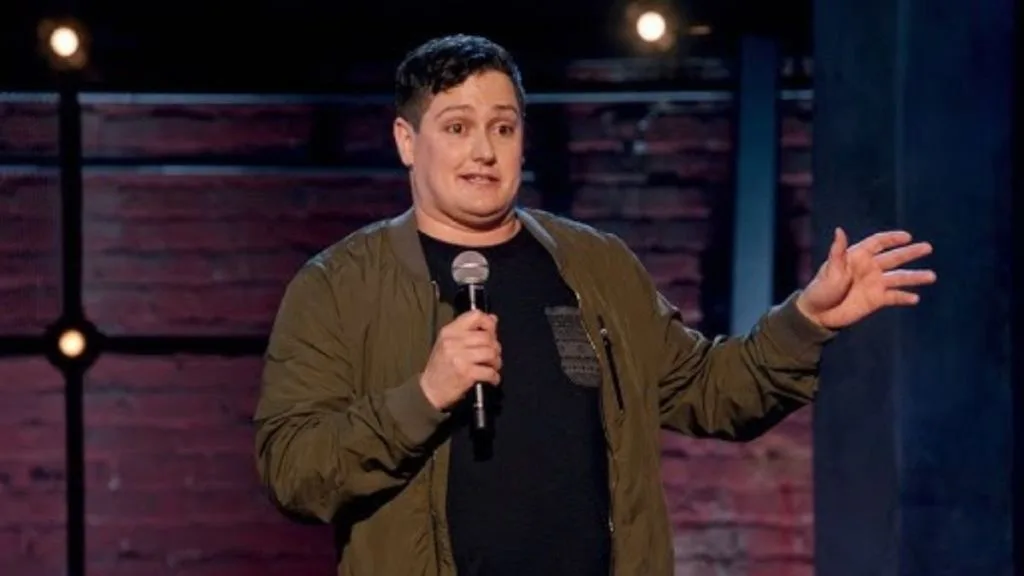
The phrase “joe machi wife” frequently surfaces in online searches, reflecting public curiosity about the personal lives of public figures. However, Joe Machi—a name associated with niche entertainment or local prominence—exemplifies a critical modern dilemma: the tension between public interest and individual privacy. Unlike A-list celebrities, figures like Machi often maintain low profiles, making verified information about their spouses exceptionally limited. This article explores why details about joe machi wife remain elusive, the ethical implications of digging into private lives, and how society can balance curiosity with respect. In an era where digital footprints are omnipresent, understanding these dynamics is more relevant than ever. Responsible information consumption starts with acknowledging that not all personal details are meant for public consumption, especially when they involve non-public individuals.
Who is Joe Machi? Context Matters
Joe Machi is not a household name in mainstream media but has gained recognition in specific circles, such as regional comedy or community events. His relative obscurity compared to global celebrities means his personal life—including marriage—is rarely documented by major outlets. This lack of widespread coverage stems from his career scope; he operates outside the Hollywood or viral-influencer ecosystem where personal details become commodified. Consequently, searches for “joe machi wife” yield minimal credible results, as reputable sources prioritize privacy for non-public figures. Understanding this context is crucial: public interest doesn’t automatically justify intrusion. As Britannica notes, the definition of a “public figure” varies, but ethical journalism typically reserves deep personal scrutiny for those who actively seek fame. For individuals like Machi, whose work doesn’t rely on personal branding, their spouse’s identity remains a private matter—not public domain.
The Reality of Limited Public Information
When researching “joe machi wife,” most searchers encounter dead ends: outdated social media snippets, unverified forums, or speculative blogs. This scarcity isn’t accidental—it’s a deliberate boundary set by the individuals involved. Joe Machi and his spouse have consistently avoided sharing marital details, reflecting a conscious choice to shield their relationship from public scrutiny. In today’s hyper-connected world, this stance is increasingly rare and commendable. Key reasons for this opacity include:
- Safety concerns: Public exposure can invite harassment or doxxing, especially for non-celebrities.
- Professional boundaries: Machi’s work may not benefit from personal disclosure, reducing incentive to share.
- Personal values: Many prioritize family privacy as a non-negotiable principle, regardless of public curiosity.
This intentional secrecy underscores a vital truth: the absence of information about joe machi wife isn’t a puzzle to solve but a boundary to respect. For deeper insights into ethical information practices, explore our resources.
Why Privacy Deserves Protection
The relentless pursuit of details about figures like Joe Machi’s spouse often overlooks fundamental ethical principles. Privacy isn’t secrecy—it’s a human right recognized by frameworks like the Universal Declaration of Human Rights. When media or individuals dissect private lives without consent, they risk normalizing invasive behavior that harms mental health and autonomy. Consider these impacts:
- Emotional toll: Unwanted attention can cause anxiety, depression, or social isolation for private individuals.
- Erosion of trust: Public figures may withdraw further from engagement, reducing authentic connections.
- Slippery slope: Normalizing intrusion sets precedents that could affect anyone, not just celebrities.
Organizations like the World Health Organization emphasize that privacy is foundational to psychological well-being. For Joe Machi and his wife, maintaining anonymity isn’t evasion—it’s self-preservation. Society benefits when we redirect curiosity toward substantive topics rather than personal minutiae.
Navigating Public Appearances Responsibly
Occasionally, Joe Machi has appeared at local events with his spouse, but these moments are fleeting and rarely documented. When such instances occur, ethical observers focus on the professional context—not the personal. For example, if Machi attends a charity gala with his wife, the story should center on the cause, not her appearance or background. This approach aligns with journalistic standards that distinguish between public interest and prurient interest. Responsible reporting asks: “Does this detail serve the public, or merely feed gossip?” In Machi’s case, the answer is consistently the latter. By shifting focus from “joe machi wife” to community contributions, we foster a healthier media culture. For practical guidance on ethical consumption, visit here.
Conclusion: Curiosity with Compassion
The search for “joe machi wife” ultimately reveals more about societal habits than about the individuals themselves. In 2026, as digital ethics evolve, we must prioritize empathy over entitlement. Public figures like Joe Machi deserve the same privacy as anyone else—especially their loved ones, who never sought the spotlight. Rather than speculating, we can channel curiosity into meaningful discussions about consent, digital literacy, and respect. Remember: a person’s worth isn’t measured by their online visibility. By honoring boundaries, we create a more humane internet—one where joe machi wife remains a private chapter, not a public spectacle. Let’s celebrate what unites us, not what divides us through intrusion.