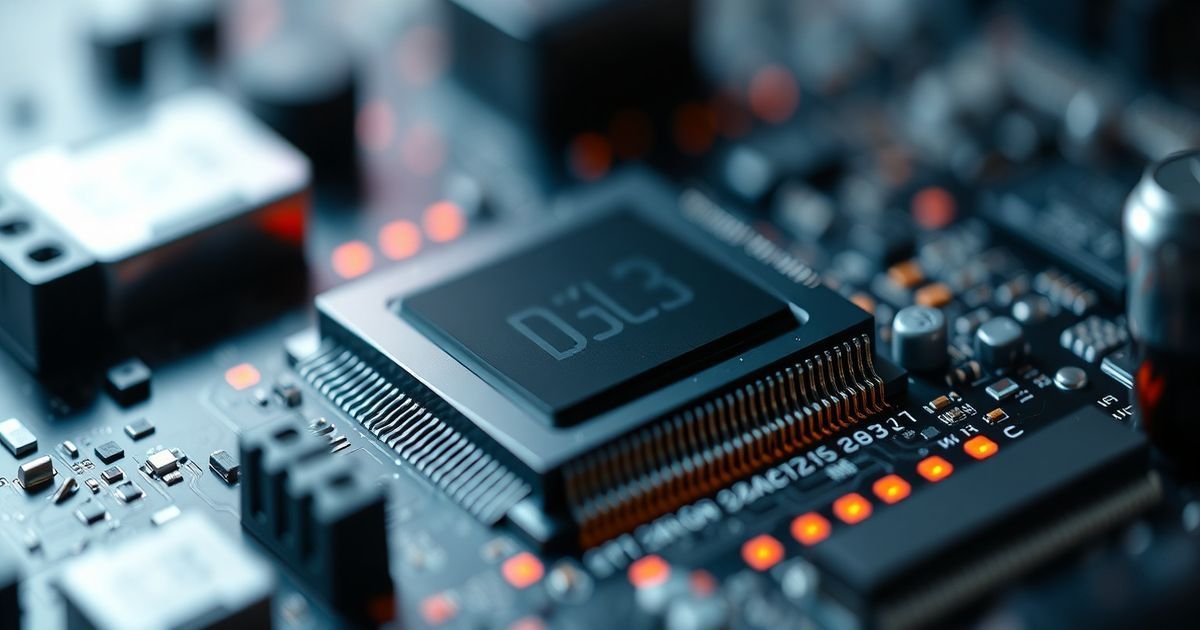
In an era where digital graphics drive everything from entertainment to critical infrastructure, safeguarding these assets has become paramount. Enter gfxrobotection—a revolutionary approach merging robotics, artificial intelligence, and cybersecurity to protect graphical systems from evolving threats. As cyberattacks grow more sophisticated, traditional security measures often fall short. gfxrobotection addresses this gap by deploying autonomous systems that monitor, detect, and neutralize risks in real-time. This article explores how this cutting-edge technology is reshaping graphics security, offering unparalleled resilience for industries reliant on visual data. Whether you’re a developer, IT professional, or business leader, understanding gfxrobotection is essential for future-proofing your digital ecosystem.
What is GFX Robotection?
GFX robotection refers to the integration of robotic systems and AI algorithms designed specifically to protect graphical interfaces, rendering engines, and visual data pipelines. Unlike conventional security tools, it operates proactively—using machine learning to identify anomalies in graphics processing units (GPUs), rendering workflows, or visual outputs before they escalate into breaches. For instance, it can detect malicious code attempting to hijack a GPU for cryptojacking or prevent unauthorized access to high-value visual assets like 3D models or VR environments. According to Wikipedia, AI’s role in cybersecurity has expanded exponentially, and gfxrobotection leverages this trend to address niche vulnerabilities in graphics-heavy applications. By 2026, this technology is poised to become a standard in sectors like gaming, healthcare imaging, and autonomous vehicles, where visual integrity is non-negotiable.
Key Benefits of Implementing GFX Robotection
Adopting gfxrobotection delivers transformative advantages for organizations handling sensitive graphical data. Here are the most impactful benefits:
- Real-time threat neutralization: Autonomous bots instantly isolate compromised graphics processes, preventing lateral movement of attacks.
- Reduced false positives: AI models trained on visual data patterns minimize unnecessary alerts, optimizing IT team productivity.
- Enhanced compliance: Automated auditing of graphics workflows ensures adherence to regulations like GDPR or HIPAA for visual health records.
- Cost efficiency: By automating routine security tasks, businesses cut operational expenses by up to 40%, as reported by industry analysts.
- Scalability: Solutions adapt seamlessly to growing graphical workloads, from small studios to enterprise-level rendering farms.
These benefits make gfxrobotection indispensable for maintaining trust in visual-driven platforms. For deeper insights into AI security frameworks, explore IBM’s resources.
How GFX Robotection Works: A Technical Breakdown
GFX robotection operates through a layered architecture that combines hardware and software innovations. Here’s a simplified overview of its workflow:
- Data ingestion: Sensors embedded in GPUs or rendering software collect real-time metrics (e.g., frame rates, memory usage).
- AI analysis: Machine learning models compare data against threat databases to flag irregularities, such as unexpected shader modifications.
- Robotic response: Upon detection, autonomous bots execute predefined actions—like quarantining a process or rolling back to a secure state.
- Continuous learning: Post-incident, the system refines its algorithms using federated learning, ensuring adaptive defense mechanisms.
This闭环 (closed-loop) process ensures threats are addressed within milliseconds, far outpacing human-led interventions. As graphics complexity surges with AR/VR adoption, gfxrobotection provides the agility needed to stay ahead of adversaries.
Implementation Strategies for 2026
Successfully deploying gfxrobotection requires strategic planning. Consider these steps:
- Assess vulnerabilities: Audit your graphics stack for weak points, such as unsecured rendering APIs or legacy GPU drivers.
- Choose modular solutions: Opt for platforms that integrate with existing tools like Unity or Unreal Engine to avoid workflow disruption.
- Train cross-functional teams: Ensure developers, security staff, and designers collaborate on gfxrobotection protocols.
- Pilot testing: Run controlled trials on non-critical projects before full-scale rollout.
Organizations that prioritize these steps will lead in securing next-generation visual experiences. For tailored guidance, visit our implementation hub.
Future Trends: GFX Robotection in 2026 and Beyond
The gfxrobotection landscape is evolving rapidly, with 2026 marking key milestones. Expect deeper integration with quantum computing for ultra-fast threat analysis and blockchain for immutable audit trails of graphical transactions. Additionally, as metaverse platforms gain traction, gfxrobotection will become critical for protecting user-generated visual content from deepfakes or IP theft. Industry leaders like Apple are already investing in similar frameworks, signaling mainstream adoption. By 2026, regulatory bodies may mandate gfxrobotection-level safeguards for all public-facing graphics systems, making it not just innovative but essential.
Conclusion: Embracing the Graphics Security Revolution
GFX robotection represents a paradigm shift in how we defend visual data—turning reactive security into a proactive, intelligent shield. Its fusion of robotics and AI ensures graphics systems remain resilient against tomorrow’s threats today. As we move into 2026, businesses that adopt this technology will gain a competitive edge through enhanced trust, compliance, and operational efficiency. Ready to future-proof your graphics infrastructure? Discover actionable solutions designed for the modern digital age. Stay ahead, stay secure.